



Safety
.png)

This guide is for volunteer community moderators who are interested in making their communities welcoming for everyone. It helps explain how gender can influence the type of gaming experience a community member has, and what you can do to help create a more inclusive environment for everyone. Illustrations by Karen Vinaley.
Discord is responsible for enforcing our Terms of Service and Community Guidelines, though many Discord users go above and beyond, serving as volunteer community moderators to implement and enforce additional guidelines or rules specific to their servers. For example, the owner of a server devoted to dogs can establish rules limiting posts about cats, which volunteer community moderators can enforce.
TLDR:
As volunteer community moderators, you build on Discord’s Community Guidelines by establishing and upholding your own server rules.
You can also play an important role in shaping the culture of your community by encouraging good behavior in the server and creating opportunities for support and engagement. It’s a role that requires a good eye —not just for spotting behaviors that might need action, but also for recognizing opportunities that might showcase what a supportive environment can look like.
Here is where understanding gender dynamics can help you thrive in your role.
As with offline interactions, people’s experience in online gaming spaces can be influenced by their gender, as they may encounter gender stereotypes, assumptions, and expectations due to ideas that society associates with being male or female. These might include expectations around how someone dresses or behaves.
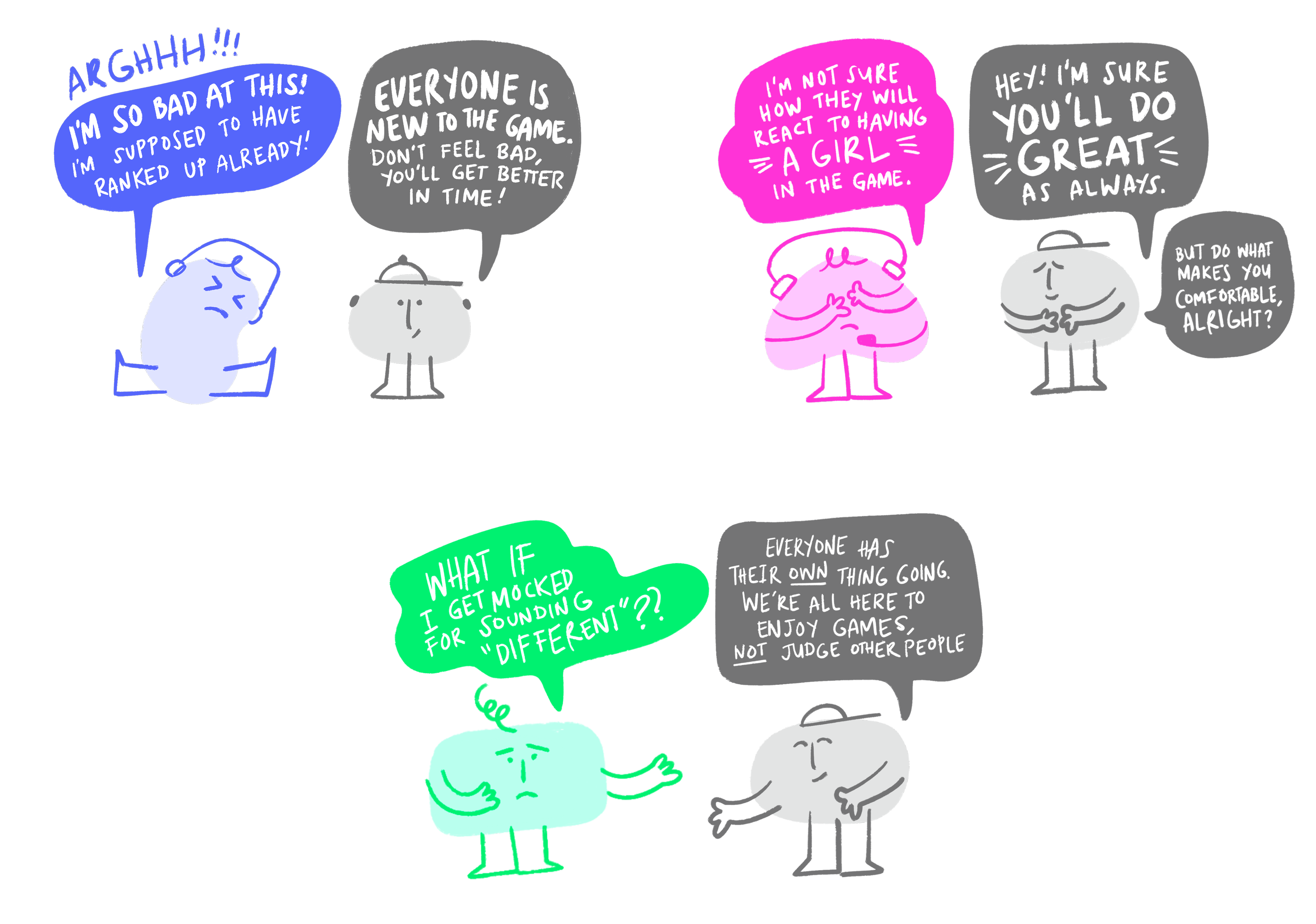
The more rigid the expectations are, the more they can fuel misbehavior towards another person based on their perceived gender identity or expression. This can lead to teasing, exclusion, or harassment, and can make it harder for someone to ask for and receive help.
These dynamics show up in a lot of spaces, gaming ones included, and can be hard for people to navigate, especially if they’re figuring out their identity and looking for meaningful connections and a sense of community.
Volunteer community moderators aren’t expected to be experts in gender issues, but there are small things you can do in practice through community engagement strategies, support channels, and server rules to help create a more inclusive and supportive community. Let’s look at what those might be:
When considering community engagement strategies:
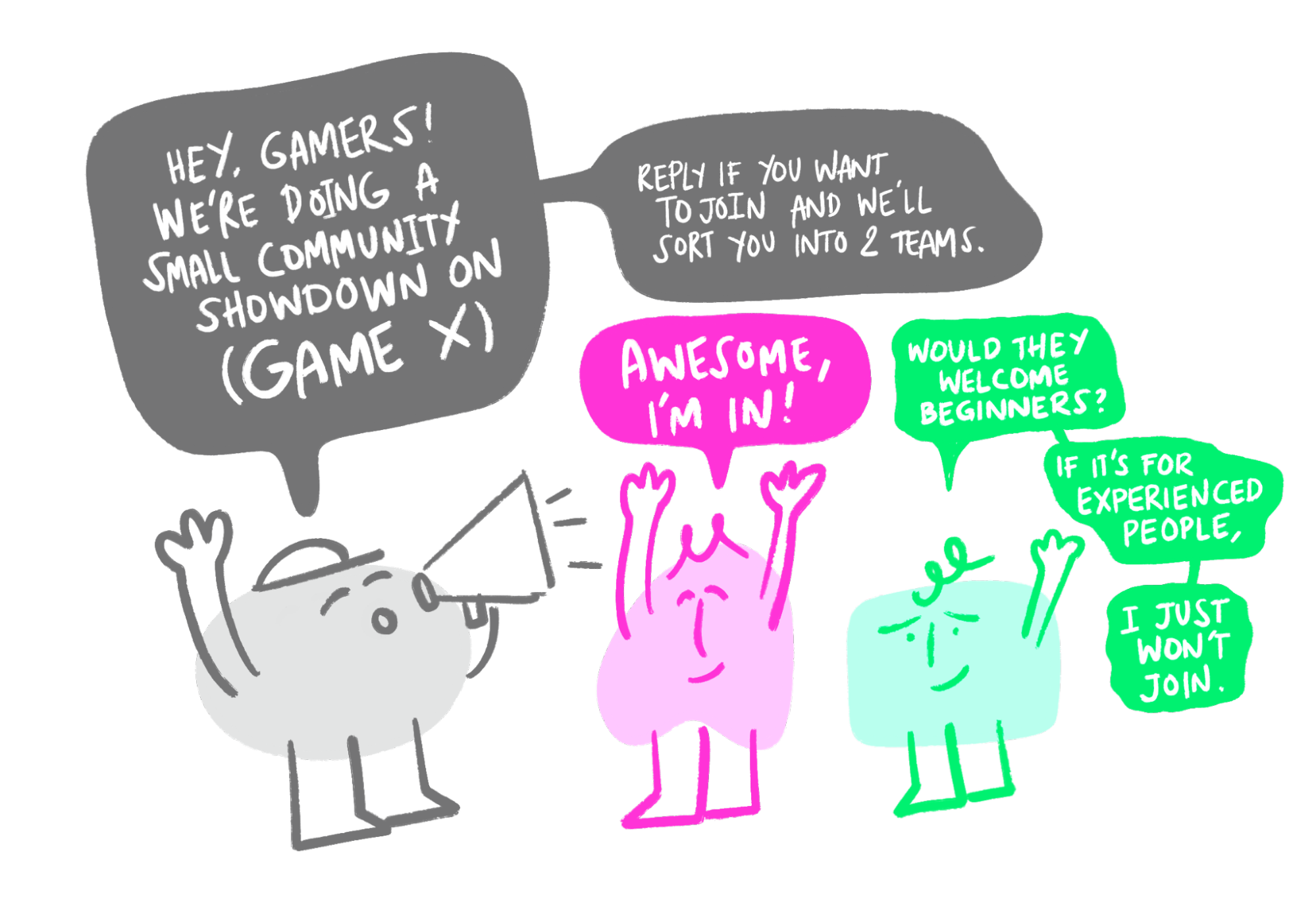
When you look at support channels:
.png)
When you look at server rules:
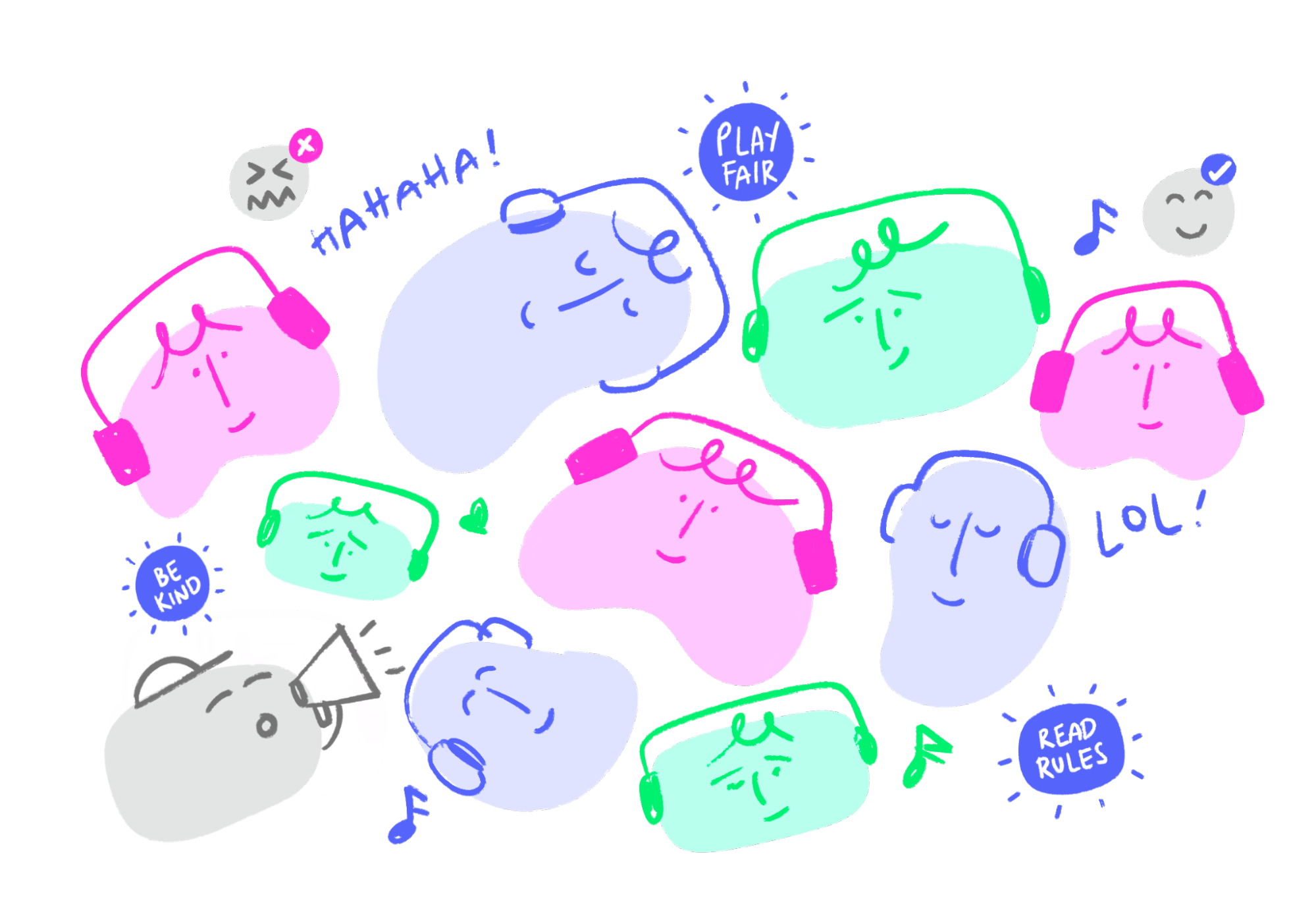
The call for more gender-sensitive approaches isn’t about suggesting special treatment or performative actions for certain genders. It’s an invitation to challenge norms that create barriers and limit people from participating and receiving support when needed. In many cases, it’s about making small adjustments to existing practices and being more mindful of how gender can shape everyday interactions.
There isn’t a single approach that works for every online community, but we hope that this guide offers a practical starting point. Gender sensitivity isn’t about treating people differently; it's about making inclusion an intentional part of your community.


